
Trayodashang Guggulu Benefits: Uses, Ingredients, Dosage, Side Effects & Complete Guide

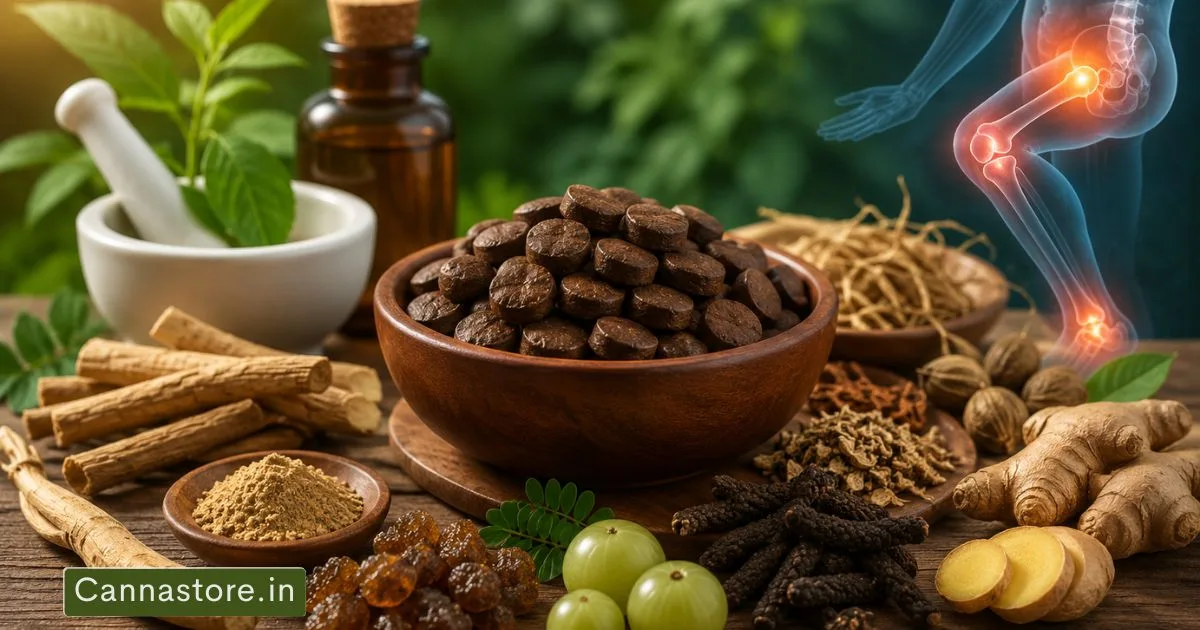
Trayodashang Guggulu benefits have made this classical Ayurvedic formulation a popular choice for people seeking traditional support for joint comfort, mobility, and musculoskeletal health. In Ayurveda, Trayodashang Guggulu is commonly recommended in order to balance the movement-related Vata dosha, the nervous system, and the health of bones and joints. It has long been used as part of holistic treatment plans for conditions involving stiffness, nerve discomfort, and reduced flexibility.
This complete guide explains what Trayodashang Guggulu is, its traditional Ayurvedic uses, ingredients, dosage recommendations, possible side effects, precautions, and the current scientific understanding of its ingredients. While it has a long history of traditional use, it should be taken under the guidance of a qualified Ayurvedic practitioner or healthcare professional, particularly if you use prescription medications or already have a medical condition.
Many people prefer purchasing herbal wellness products from Cannastore India because of its extensive product selection.
What Is Trayodashang Guggulu?
Trayodashang Guggulu is a classical Ayurvedic herbal formulation traditionally prescribed to support the health of bones, joints, muscles, and nerves. The word “Trayodashang” refers to the combination of multiple herbs, while “Guggulu” is the purified resin of Commiphora mukul, one of Ayurveda’s most valued medicinal substances.
The formulation is primarily used to help balance aggravated Vata dosha, which Ayurveda associates with joint stiffness, restricted movement, muscle weakness, nerve-related discomfort, and degenerative changes.
Traditionally, Ayurvedic practitioners may recommend Trayodashang Guggulu as part of a comprehensive treatment plan for:
- Joint discomfort
- Arthritis
- Sciatica
- Neck and back pain
- Frozen shoulder
- Muscle stiffness
- Reduced mobility
- Vata-related disorders
Today, Trayodashang Guggulu is widely available as Ayurvedic tablets from several manufacturers, including Trayodashang Guggulu Patanjali, Baidyanath, Dhootapapeshwar, Unjha, and other trusted Ayurvedic brands. Some educational resources, including Trayodashang Guggulu Easy Ayurveda, also discuss its traditional uses and classical formulation.
Along with Trayodashang Guggulu, Trailokya Vijaya Vati Tablet 500mg is a well-known Ayurvedic formulation used within traditional wellness practices.
Trayodashang Guggulu Ingredients
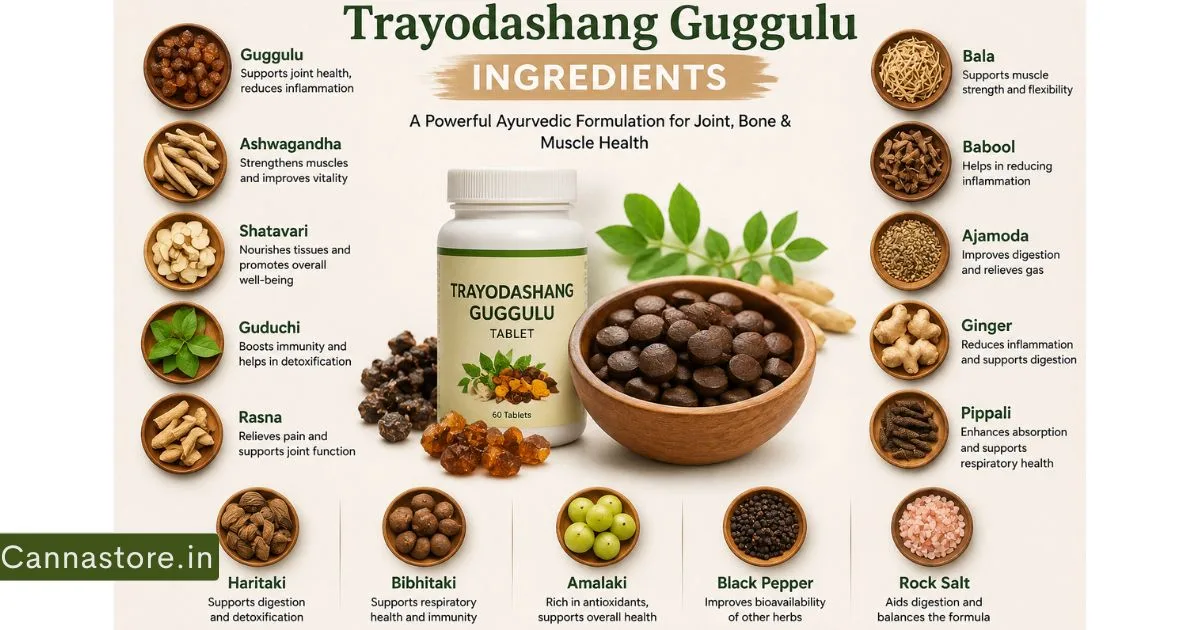
Trayodashang Guggulu contains a carefully selected blend of herbs that work together according to Ayurvedic principles. Exact compositions may vary slightly among manufacturers, so always check the product label.
Guggulu (Commiphora mukul)
The primary ingredient, Guggulu, is valued in Ayurveda for supporting healthy joints and promoting balanced inflammatory responses. It also serves as the binding resin that combines the herbal ingredients.
Ashwagandha
The adaptogenic herb ashwagandha has long been used to support strength, vitality, and recovery. It may help support muscle function and overall physical resilience.
Shatavari
Shatavari is known for its nourishing properties and is traditionally believed to support tissue health while helping maintain balance within the body.
Guduchi
Guduchi is regarded as an important rejuvenating herb in Ayurveda. It is rich in plant compounds with antioxidant properties and is traditionally used to support immune function and general wellness.
Rasna
Rasna is commonly included in Ayurvedic formulations intended for joint comfort and mobility. It has long been used in traditional approaches to Vata-related conditions.
Bala
Bala is traditionally used to support muscle strength, flexibility, and healthy nerve function.
Babool
Babool contributes astringent and supportive properties that complement the overall formulation.
Ajamoda
Ajamoda supports healthy digestion according to Ayurveda. Good digestive function is considered important for reducing the accumulation of Ama, or metabolic toxins.
Ginger
Ginger contains naturally occurring phytochemicals and antioxidants. It is widely used to support digestion and healthy inflammatory responses.
Pippali
Pippali is traditionally believed to improve digestion and enhance the absorption of herbal ingredients within Ayurvedic formulations.
Haritaki
Haritaki supports healthy digestion and regular elimination while contributing antioxidant properties.
Bibhitaki
Bibhitaki is another important rejuvenating herb traditionally used to support overall health.
Amalaki
Amalaki is naturally rich in vitamin C and antioxidants. It is considered a Rasayana herb that promotes tissue nourishment and vitality.
Why These Herbs Work Together
Rather than relying on a single ingredient, Trayodashang Guggulu combines multiple herbs that complement one another. According to Ayurveda, this combination aims to:
- Balance Vata dosha
- Support healthy digestion
- Nourish bones and muscles
- Promote healthy circulation
- Support joint flexibility
- Encourage comfortable movement
- Enhance the body’s natural healing processes
Nutritional and Herbal Profile
Although Trayodashang Guggulu is not a nutritional supplement, its herbal ingredients contain a variety of naturally occurring plant compounds.
These include:
- Plant resins
- Essential oils
- Polyphenols
- Flavonoids
- Tannins
- Alkaloids
- Terpenoids
- Antioxidant phytochemicals
Guggulu resin contains guggulsterones, compounds that have been studied for their biological activity. Herbs such as ginger, Guduchi, and Amalaki also supply antioxidants that aid in shielding cells from oxidative damage. While laboratory and animal studies suggest promising properties for several ingredients, more high-quality human clinical trials are needed to confirm the effectiveness of the complete formulation for specific medical conditions.
Top Trayodashang Guggulu Benefits

Supports Joint Health
One of the best-known Trayodashang Guggulu benefits is its traditional use in supporting healthy joints. Ayurvedic practitioners commonly recommend it for individuals experiencing joint stiffness or reduced mobility associated with Vata imbalance.
The formulation is believed to help nourish connective tissues and support comfortable movement when combined with appropriate lifestyle measures.
Helps Reduce Arthritis-Related Discomfort
Trayodashang Guggulu is widely used in Ayurveda as a supportive herbal medicine for joint conditions such as osteoarthritis and rheumatoid arthritis. Traditionally, it is intended to help balance aggravated Vata and reduce stiffness. However, current scientific evidence on the complete formulation remains limited, so it should not be viewed as an alternative to medical therapy that has been recommended by a healthcare provider.
May Help Manage Sciatica
In Ayurveda, Trayodashang Guggulu is often included in treatment plans for Sciatica treatment Ayurveda. Sciatica involves pain that travels down the sciatic nerve and frequently affects the legs, buttocks, and lower back.
By addressing Vata imbalance, the formulation is traditionally believed to support nerve comfort, improve flexibility, and complement therapies such as stretching, physiotherapy, and physician-directed care.
Supports Bone Strength
Ayurveda considers healthy bones (Asthi Dhatu) essential for long-term mobility. Trayodashang Guggulu is traditionally used to nourish bone tissue and support healthy movement, particularly in older adults experiencing age-related stiffness.
In the next part, the article will continue with the remaining Trayodashang Guggulu benefits, how it works, uses, how to take it, and recommended dosage, followed by Part 3 covering side effects, precautions, FAQs, and the conclusion.
Top Trayodashang Guggulu Benefits (Continued)
Reduces Muscle Stiffness
Another commonly discussed Trayodashang Guggulu benefit is its traditional role in easing muscle stiffness associated with Vata imbalance. People who experience tight muscles after prolonged sitting, physical work, or age-related changes may be advised by Ayurvedic practitioners to use this formulation as part of a broader treatment plan.
Several herbs in the formula, including Ashwagandha, Bala, Rasna, and Guggulu, are traditionally valued for promoting flexibility and supporting healthy muscle function. While individual herbs have shown promising properties in preclinical studies, more clinical research on the complete formulation is needed.
Helps Improve Mobility
Healthy joints and muscles contribute to better movement in daily life. In Ayurveda, Trayodashang Guggulu is often recommended to support:
- Walking comfortably
- Climbing stairs
- Sitting and standing with ease
- Improved flexibility
- Everyday physical activity
It is commonly combined with gentle exercise, stretching, yoga, massage, and dietary adjustments for better overall results.
Supports Cervical and Lumbar Spondylosis
Ayurvedic practitioners may recommend Trayodashang Guggulu as supportive therapy for people experiencing symptoms associated with cervical or lumbar spondylosis. Traditionally, it is used to help manage:
- Neck stiffness
- Lower back discomfort
- Reduced spinal flexibility
- Muscle tightness around the spine
It should be viewed as a complementary Ayurvedic approach rather than a substitute for medical evaluation, especially if symptoms are severe, progressive, or associated with weakness or numbness.
Helps Balance Vata Dosha
According to Ayurveda, aggravated Vata dosha plays a major role in many disorders affecting the joints, nerves, bones, and muscles. Trayodashang Guggulu is specifically formulated to help restore Vata balance.
A balanced Vata is traditionally associated with:
- Comfortable movement
- Flexible joints
- Healthy nerve function
- Stable musculoskeletal health
- Better circulation
Supports Recovery from Sports Injuries
Although scientific evidence is limited, Ayurvedic practitioners sometimes include Trayodashang Guggulu in rehabilitation programs for mild sports-related muscle and joint discomfort. Combined with adequate rest, physiotherapy, and proper nutrition, it may traditionally support tissue recovery and flexibility.
Promotes Overall Musculoskeletal Health
Among the most valued Trayodashang Guggulu benefits in Ayurveda is its holistic support for the musculoskeletal system. Rather than targeting a single symptom, the formulation is traditionally intended to nourish bones, muscles, joints, connective tissues, and nerves while supporting balanced movement throughout the body.
How Does Trayodashang Guggulu Work?
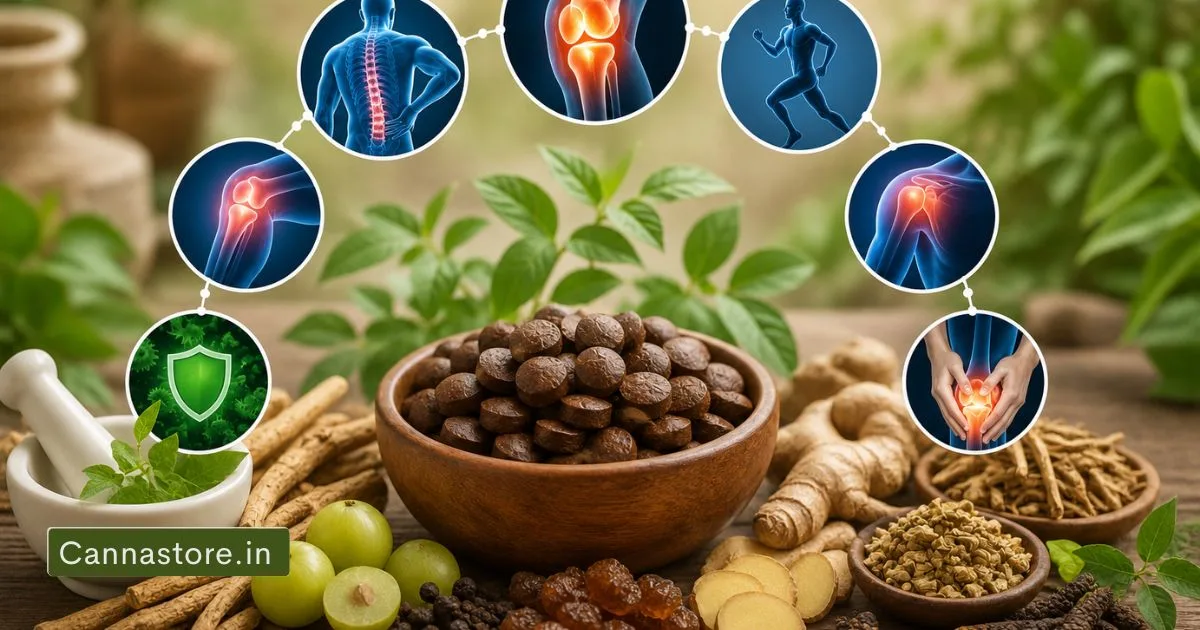
Trayodashang Guggulu works according to both traditional Ayurvedic principles and the biological properties of its herbal ingredients.
Ayurvedic Mechanism
In Ayurveda, many joint and nerve disorders are linked to:
- Aggravated Vata dosha
- Weak digestive fire (Agni)
- Accumulation of Ama (metabolic waste)
- Poor tissue nourishment
- Blocked body channels (Srotas)
Trayodashang Guggulu is traditionally believed to:
- Balance Vata
- Improve digestion
- Reduce Ama
- Support healthy circulation
- Nourish Asthi Dhatu (bone tissue)
- Nourish Majja Dhatu (nerve and marrow tissue)
Modern Scientific Perspective
Research on individual herbs suggests they may contain compounds with antioxidant and anti-inflammatory properties. For example:
- Guggulu contains guggulsterones.
- Ginger provides gingerols and shogaols.
- Guduchi contains bioactive phytochemicals.
- Ashwagandha contains withanolides.
These compounds have been studied for their potential effects on inflammation, oxidative stress, and overall wellness. However, high-quality human studies specifically evaluating the complete Trayodashang Guggulu formulation remain limited, so its clinical effectiveness for specific diseases has not been conclusively established.
Trayodashang Guggulu Uses
Traditionally, Trayodashang Guggulu uses include supportive management of various Vata-related musculoskeletal conditions. Common uses in Ayurvedic practice include:
- Joint pain
- Osteoarthritis
- Rheumatoid arthritis
- Sciatica
- Frozen shoulder
- Cervical spondylosis
- Lumbar spondylosis
- Knee pain
- Back pain
- Muscle stiffness
- Nerve discomfort
- Reduced mobility
- Vata imbalance
Many people searching for trayodashang guggulu uses in hindi or patanjali trayodashang guggulu uses in hindi are looking for these traditional applications. It’s important to remember that these uses are based on Ayurvedic practice and should not replace professional medical diagnosis or treatment.
Condition | Traditional Potential Benefit | Ayurvedic Rationale
| Condition | Traditional Potential Benefit | Ayurvedic Rationale |
| Joint pain | Supports comfortable movement | Balances Vata |
| Osteoarthritis | Helps reduce stiffness | Nourishes Asthi Dhatu |
| Rheumatoid arthritis | Supports joint function | Helps manage Ama and Vata |
| Sciatica | Supports nerve comfort | Calms aggravated Vata |
| Cervical spondylosis | Promotes neck mobility | Supports muscles and joints |
| Lumbar spondylosis | Helps maintain flexibility | Supports spinal tissues |
| Muscle stiffness | Encourages muscle relaxation | Improves circulation |
| Frozen shoulder | Supports range of motion | Balances Vata in joints |
How to Take Trayodashang Guggulu
Trayodashang Guggulu is most commonly available as tablets.
General recommendations include:
- Take the tablets after meals, unless your healthcare provider advises otherwise.
- Swallow with lukewarm water.
- In some traditional Ayurvedic practices, warm milk may be recommended depending on the individual’s constitution and treatment plan.
- Follow the dosage recommended by a qualified Ayurvedic practitioner or as stated on the product label.
- Do not exceed the recommended dose.
The best time to take Trayodashang Guggulu may vary depending on the condition being managed, other medications, and individual health factors.
Recommended Dosage
There is no single dosage suitable for everyone. The appropriate Trayodashang Guggulu dosage depends on factors such as age, health status, the specific product used, and professional advice.
Adults
Many commercial products recommend 1–2 tablets, two or three times daily after meals, but always follow the instructions provided with your product or those given by your healthcare practitioner.
Children
Children should only get Trayodashang Guggulu under the guidance of a licensed pediatrician or Ayurvedic physician.
Elderly
Older adults may benefit from individualized dosing based on overall health, kidney and liver function, and other medications being taken.
Missed Dose
If you forget a dose:
- Take it as soon as you remember.
- If it is almost time for your next scheduled dose, skip the missed dose.
- Never take two doses to make up for one that was missed.
Self-medication is not recommended, particularly for people with chronic illnesses or those taking prescription medications.
Possible Side Effects
When taken in the recommended dosage under the guidance of a qualified Ayurvedic practitioner, Trayodashang Guggulu is generally well tolerated by many adults. However, like any herbal formulation, it may cause side effects in some individuals.
Possible mild side effects include:
- Stomach discomfort
- Acidity or heartburn
- Mild nausea
- Loose stools or digestive upset
- Allergic reactions (rare), such as itching or skin rash
These effects are not experienced by everyone and may depend on the individual’s health, the specific product used, and the dosage.
When to Stop Taking It
Stop using Trayodashang Guggulu and seek medical advice if you experience:
- Severe allergic reactions
- Persistent vomiting
- Severe abdominal pain
- Difficulty breathing
- Swelling of the face, lips, or throat
- Worsening joint pain or new symptoms
When to Consult a Doctor
Speak with a medical expert or licensed Ayurvedic practitioner before or during use if:
- Your symptoms persist or worsen.
- You develop new or unexplained symptoms.
- You have a chronic medical condition.
- You are taking prescription medications.
Precautions and Warnings
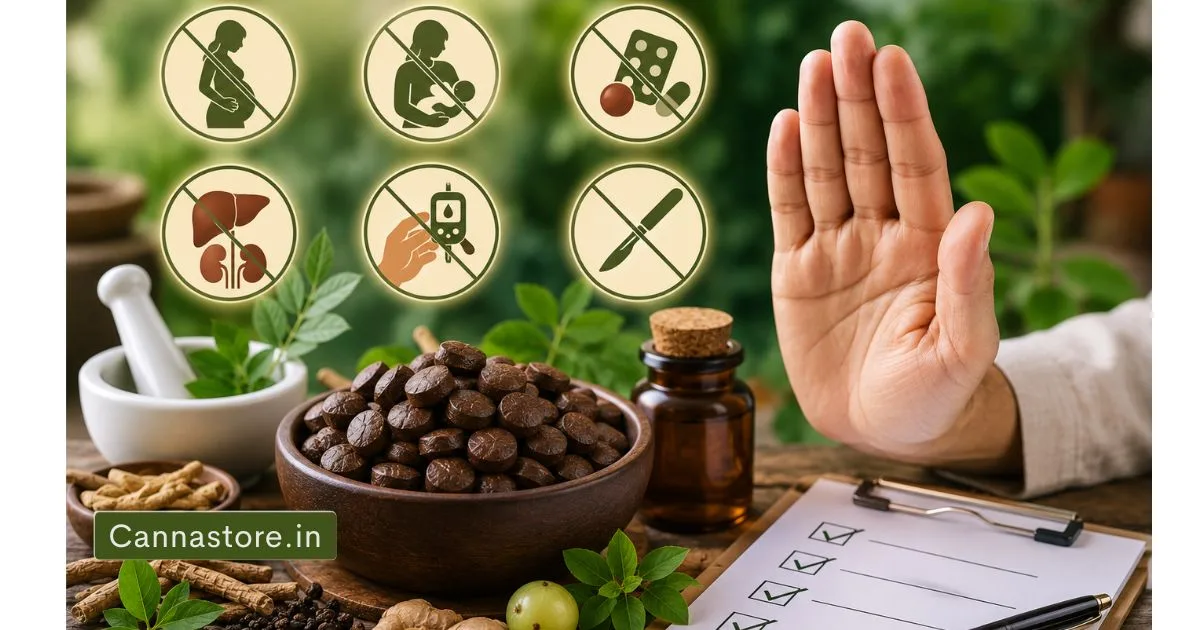
Although Trayodashang Guggulu is a traditional Ayurvedic medicine, certain precautions are important.
Pregnancy
There is limited high-quality safety research regarding its use during pregnancy. Pregnant women should only use it if specifically advised by a qualified healthcare professional.
Breastfeeding
Safety during breastfeeding has not been well established. Medical guidance is recommended before use.
Diabetes
Some herbal ingredients may influence blood sugar levels. Before taking the formulation, diabetics should check their blood sugar levels and speak with their doctor.
Liver Disease
Individuals with liver disorders should seek medical advice before using any herbal supplement, including Trayodashang Guggulu.
Kidney Disease
Before beginning this medication, those with poor renal function should speak with a doctor.
Autoimmune Disorders
Because certain herbs may affect immune function, individuals with autoimmune diseases should discuss its use with their healthcare provider.
Surgery
If you are scheduled for surgery, inform your surgeon about any herbal medicines you are taking. Your doctor may recommend stopping them before the procedure.
Long-Term Use
Long-term use should be supervised by an experienced Ayurvedic practitioner to ensure appropriate dosage and periodic assessment.
Who Should Avoid Trayodashang Guggulu?
Avoid taking Trayodashang Guggulu without professional guidance if you:
- Are allergic to any of its ingredients.
- Have severe digestive disorders.
- Are pregnant without medical advice.
- Are breastfeeding without professional supervision.
- Intend to give it to children without a qualified practitioner’s recommendation.
- Have serious liver or kidney disease unless approved by your healthcare provider.
Drug Interactions
Although comprehensive interaction studies are limited, caution is advised if you take:
- Blood-thinning medications (anticoagulants or antiplatelet drugs)
- Diabetes medications
- Anti-inflammatory or pain medicines
- Corticosteroids
- Other herbal supplements with similar effects
Always tell your doctor and Ayurvedic practitioner about all medicines, supplements, and herbal products you use to reduce the risk of interactions.
Scientific Research on Trayodashang Guggulu
Modern scientific research on the complete Trayodashang Guggulu formulation is still limited. Most available evidence focuses on individual herbs rather than the combination itself.
Research suggests that some ingredients, including Guggulu, Ashwagandha, Guduchi, and Ginger, contain bioactive compounds with antioxidant and anti-inflammatory properties. Laboratory and animal studies have shown promising findings related to inflammation and oxidative stress.
However, these findings should be interpreted with caution because:
- High-quality human clinical trials on the complete formulation are limited.
- Existing studies often involve small sample sizes.
- More rigorous research is needed to confirm effectiveness and long-term safety for specific medical conditions.
As a result, Trayodashang Guggulu should be viewed as a traditional Ayurvedic formulation that may complement—rather than replace—evidence-based medical care.
Ayurvedic Perspective
Ayurveda explains the action of Trayodashang Guggulu through its effects on several fundamental concepts.
Vata Dosha
Vata governs movement, nerve impulses, circulation, and joint function. When aggravated, it may contribute to stiffness, pain, restricted movement, and nerve-related discomfort. Trayodashang Guggulu is traditionally used to help restore Vata balance.
Asthi Dhatu
Asthi Dhatu refers to bone tissue. Ayurveda considers proper nourishment of this tissue essential for maintaining healthy bones and joints.
Majja Dhatu
Bone marrow and nerve tissue are included in Majja Dhatu. Traditional practitioners believe supporting this tissue contributes to healthy nerve function.
Ama
Ama refers to incompletely digested metabolic waste. Ayurveda associates its accumulation with impaired health and reduced tissue function. Herbs that support healthy digestion are traditionally included to help address Ama.
Agni
Agni, or digestive fire, plays a central role in Ayurvedic health. Balanced digestion is believed to improve nutrient utilization and tissue nourishment.
Srotas
Srotas are the body’s channels through which nutrients and waste products move. Ayurveda aims to keep these channels functioning efficiently to support overall wellness.
How Long Does It Take to Show Results?
There is no fixed timeline for results.
The response may depend on:
- The condition being addressed
- Individual body constitution (Prakriti)
- Severity and duration of symptoms
- Lifestyle habits
- Diet
- Consistency of use
- Whether it is used alongside other recommended therapies
Some individuals may notice improvements in comfort or mobility within a few weeks, while chronic conditions may require longer-term management under professional supervision.
Lifestyle Tips to Maximize Benefits

Traditional Ayurvedic care emphasizes combining herbal medicines with healthy lifestyle habits.
Helpful practices include:
- Gentle daily exercise
- Yoga suitable for your condition
- Regular stretching
- Maintaining a healthy body weight
- Eating a balanced, anti-inflammatory diet
- Drinking adequate water
- Getting sufficient sleep
- Avoiding prolonged sitting when possible
- Following your healthcare provider’s recommendations
Storage Instructions
Store Trayodashang Guggulu:
- In a cool, dry place
- Away from direct sunlight
- In its original container
- Out of the reach of children
- Away from excessive heat and moisture
Always check the expiry date before use.
Learn how our cannabis SEO services can improve your website’s visibility and drive more targeted visitors.
Conclusion
Trayodashang Guggulu benefits have made this classical Ayurvedic formulation a widely used option for supporting joint, muscle, bone, and nerve health within traditional Ayurvedic practice. It is commonly recommended for Vata-related disorders, including joint stiffness, reduced mobility, back pain, cervical and lumbar spondylosis, and sciatica as part of a comprehensive treatment approach.
While the herbal ingredients in Trayodashang Guggulu have a long history of traditional use and some have shown promising properties in laboratory and early clinical research, more high-quality human studies are needed to confirm the effectiveness of the complete formulation for specific medical conditions.
If you are considering Trayodashang Guggulu tablets, follow the recommended dosage, purchase products from reputable manufacturers, and consult a qualified Ayurvedic practitioner or healthcare professional before starting treatment—especially if you are pregnant, breastfeeding, have chronic health conditions, or take prescription medications. Combining appropriate medical care with healthy lifestyle habits offers the best foundation for long-term joint and musculoskeletal health.
Frequently Asked Questions
1. What is Trayodashang Guggulu used for?
In Ayurveda, it is traditionally used to support joint, muscle, bone, and nerve health and to help balance Vata dosha.
2. Is Trayodashang Guggulu good for arthritis?
It is traditionally used as supportive care for joint discomfort associated with arthritis. However, it should not replace medical treatment recommended by your healthcare provider.
3. Can Trayodashang Guggulu help with sciatica?
Ayurvedic practitioners commonly include it in treatment plans for sciatica. Scientific evidence specific to the complete formulation remains limited.
4. How long should I take Trayodashang Guggulu?
A trained Ayurvedic practitioner or doctor should select the length based on your health state.
5. Can I take Trayodashang Guggulu every day?
Daily use may be appropriate for some individuals when recommended by a healthcare professional. Avoid self-medicating for prolonged periods.
6. Is it safe for elderly people?
It may be used in older adults under professional guidance, with dosage individualized according to overall health and medications.
7. Can it be taken with allopathic medicine?
Possibly, but because interactions are possible, consult your physician before combining it with prescription medicines.
8. Does Trayodashang Guggulu have side effects?
Most people tolerate it well when used appropriately, but mild digestive side effects or allergic reactions may occur in some individuals.
9. When is the best time to take Trayodashang Guggulu?
It is commonly taken after meals with lukewarm water, unless your healthcare provider recommends a different schedule.
10. Can it be used for cervical spondylosis?
It is traditionally used in Ayurveda as supportive therapy for cervical spondylosis, alongside other recommended treatments and lifestyle measures.