
Choosing the Right B2B Casino Software for Your Operation

Understanding the Modern B2B Casino Software Ecosystem
It’s no longer enough to just license a few dozen slots. Modern iGaming software is a sophisticated ecosystem of specialized vendors. I’ve seen operators fail by trying to glue disparate systems together. The four core pillars of any operation are:
- Unified casino platforms for management
- Slot providers and table game studios
- Payment gateway integrations
- Third-party tools for KYC and compliance
These components connect via APIs, not manual uploads. The real cost isn't just the software license; it's the monthly integration and maintenance fees, which can easily add 30-50% to your baseline spend. Choosing the right mix is the first critical business decision.
The Role of Unified Casino Platforms for Operators
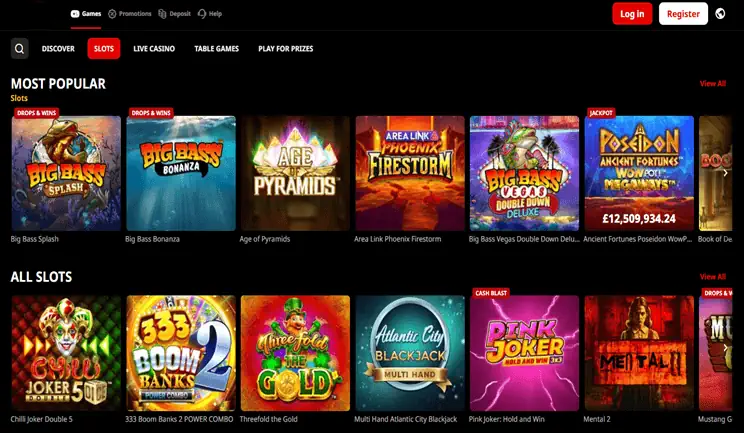
Running a casino on spreadsheets and disconnected dashboards is a nightmare I've witnessed. A unified casino platform is your single pane of glass, offering the essential control that any serious casino operator needs. It handles player accounts, payments, fraud monitoring, and game integration seamlessly, which is why I’d never launch without a robust casino integration solution from a trusted vendor. For a comprehensive look at leading B2B casino software and available providers, I recommend visiting the detailed reviews at https://casinosoftware.co.ke/. This resource will help you compare core features like casino platform APIs, aggregation tools, and the quality of B2B slots before you make your final decision on which system to implement for your own operation.
| Brand | Key Spec | Price Range | My Verdict |
|---|---|---|---|
| Platform X | 500+ game providers | $5k-$10k/month | Best for scale, complex onboarding |
| Platform Y | Built-in sportsbook | $3k-$7k/month | Great all-in-one, less flexible |
| Platform Z | Focus on fast deployment | $2k-$4k/month | Solid for new ops, lacks advanced tools |
Platform X is my top pick for serious operators, despite the cost. Its game aggregation alone saves hundreds of integration hours. The right platform can reduce your time-to-market from 6+ months to under 90 days, a massive competitive edge.
Integrating Casino Software: APIs and Core Solutions
The magic—and the mess—happens at the API layer. I’ve personally managed integrations where a single poorly documented API endpoint halted a launch for weeks. Modern B2B iGaming software connects via structured APIs for game delivery, wallet updates, and reporting. A core solution handles the critical financial transactions between your platform and the game. You need both a robust API strategy and a certified core system like IGT's or a similar tier-one provider. Budget for a dedicated developer for at least two months purely for integration and testing; skipping this phase is the most common launch failure point. The technical debt from a rushed integration will cost you tenfold later in manual reporting and reconciliation.
A Closer Look at Leading Slot Providers and Their Offerings
Not all slot providers are created equal. Some excel in mechanics, others in art. I regularly test new releases from Pragmatic Play, NetEnt, BGaming, and others. Their RTPs, volatility, and bonus game complexity vary wildly. Pragmatic's Drops & Wins feature is a player-retention powerhouse I've seen work firsthand.
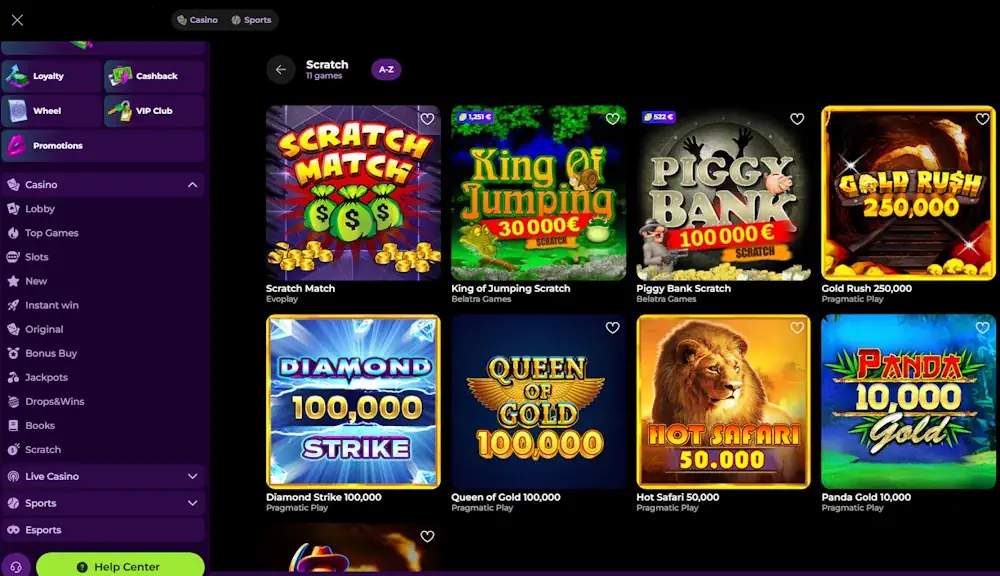
Choosing a slot provider isn't about game count; it's about finding the studio whose math models and engagement hooks best fit your target player's psychology and budget.
BGaming stands out for its daily releases and crypto-native features. Pragmatic Play slots alone can drive over 60% of an average casino's slot GGR, making them non-negotiable for most operators. You build your game library by curating from these specialists.
Comparing Top B2B Casino Software Vendors: Key Features
Once you look past marketing, vendor capabilities diverge sharply. Here are the decisive factors I weight most heavily.
- Game release cadence: 5+ new titles monthly
- API latency: under 100ms for game launch
- Back-office reporting depth and customization
- Dedicated technical account manager included
- Multi-jurisdiction licensing coverage
A vendor promising the world but taking 48 hours to respond to a support ticket is useless. I’ve switched vendors mid-contract over poor reporting tools alone. The best offer transparent, granular data exports. The most overlooked differentiator is their game performance reporting—top-tier vendors provide heatmaps and session data that directly inform your marketing spend.
Advanced Features for Player Engagement: Tournaments and Cards
Beyond the core casino software, retention features like tournaments and card games separate thriving operations from stagnant ones. I’ve seen a well-run slot tournament series increase daily active users by over 40% for its duration. These features are often sold as add-on modules. Their implementation complexity varies widely, which this table outlines.
| Feature | Setup Complexity | Avg. Player Uplift | Key Vendor Example |
|---|---|---|---|
| Automated Slot Tournaments | Low (Platform-native) | 20-35% | EveryMatrix |
| Live Card Game Tournaments | High (Custom Dev) | 50-70% | Playtech |
| Battle Royale Slots | Medium (Provider API) | 30-45% | Pragmatic Play |
| VIP Chase Cards | Low-Medium | 15-25% | In-house build common |
Automated tournaments are the easiest win. Implementing at least one tournament format is now a baseline expectation for players; skipping it means leaving 20% of potential revenue on the table from day one. Start with platform-native tools before investing in custom builds.
Selecting the Right Casino Solution for Your Operation
Your final choice isn't about the shiniest tech demo. It’s about matching a vendor’s strengths to your business model. A fast-rising esports-focused brand needs different casino software than an established lottery operator expanding online. I base my final recommendation on three pillars: the platform’s scalability, the true total cost of ownership, and the quality of the support SLA. Never sign a contract without a 30-day trial integration period written into it—I learned this the hard way. The most successful operators I work with treat their casino software selection as a 24-month roadmap, not a one-time purchase, planning for feature adds at 6 and 18-month intervals. Your initial vendor sets your operational ceiling for years.
FAQ
What's the biggest hidden cost in B2B casino software?
Monthly integration and maintenance fees. They can add 30-50% to your baseline license cost, a fact often underestimated in initial budgeting.
Should I prioritize a unified platform or top slot providers first?
The platform comes first. It's your operational foundation. Trying to manage multiple premium slot provider APIs without a unified back-end is a technical and reporting nightmare.
How critical are player tournaments for a new casino?
Very. Automated slot tournaments are now a baseline expectation. Skipping them means leaving an estimated 20% of potential player revenue on the table from launch.
Which slot provider is non-negotiable for most operators?
Pragmatic Play. In my experience, their content alone can drive over 60% of an average casino's slot Gross Gaming Revenue, making them a cornerstone of any competitive library.
What's the most common launch failure point?
Rushing the API integration phase. You must budget for a dedicated developer for at least two months purely for integration testing. Cutting this corner almost guarantees post-launch crises.
Is casino software a one-time purchase?
No. Treat it as a 24-month roadmap. The most successful operators I know plan for specific feature additions at 6 and 18-month intervals to keep their offering fresh.