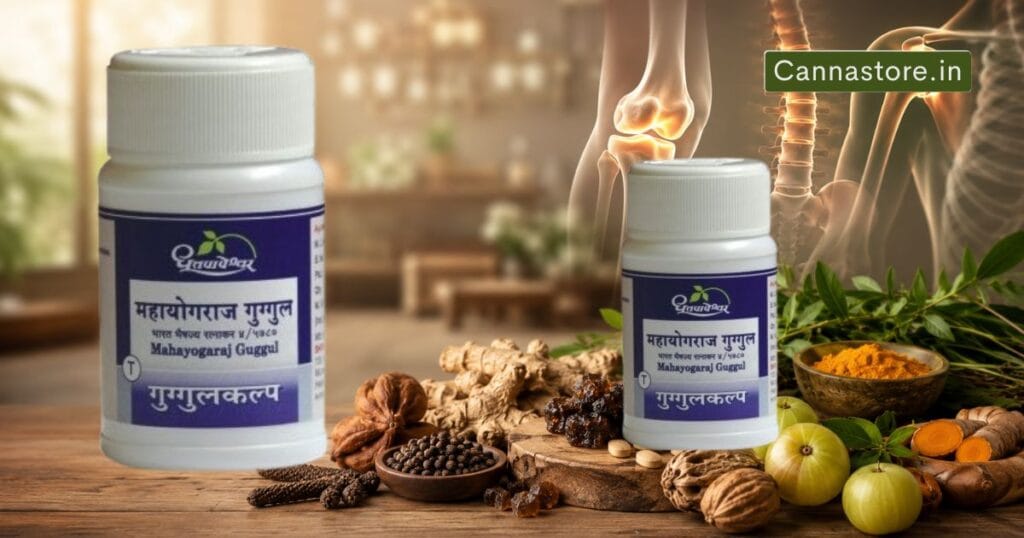
Why Mahayograj Guggulu Is Useful in Vataj Rog: Benefits, Uses & Ayurvedic Insights

In Ayurveda, maintaining the balance of the three doshas—Vata, Pitta, and Kapha—is considered essential for overall health and well-being. Among these, Vata Dosha governs movement, the nervous system, circulation, breathing, and joint function. When Vata becomes aggravated, it may contribute to a group of conditions traditionally referred to as Vataj Rog, which can include joint discomfort, stiffness, muscle weakness, reduced flexibility, and nerve-related symptoms. Managing Vata imbalance through a combination of diet, lifestyle, and classical Ayurvedic formulations has been a long-standing practice.
One of the best-known formulations recommended in traditional Ayurveda is Mahayograj Guggulu. This classical herbal-mineral preparation has been used for generations to support musculoskeletal health, healthy digestion, and balanced Vata. Because of its unique blend of herbs, purified Guggulu, spices, and traditional mineral preparations, Ayurvedic practitioners often recommend it as part of a broader wellness plan for individuals experiencing Vata-related concerns.
If you have been searching for Why Mahayograj Guggulu Is Useful in Vataj Rog, this comprehensive guide explains its traditional Ayurvedic role, its ingredients, potential Mahayograj Guggulu benefits, common uses, and important precautions. You’ll also learn how this respected Ayurvedic medicine supports healthy joints, muscles, digestion, and overall mobility while fitting into a balanced lifestyle.
For high-quality herbal formulations, visit Cannastore India and explore our carefully curated selection.
What Is Mahayograj Guggulu?
Mahayograj Guggulu is a renowned classical Ayurvedic formulation traditionally used to support the management of Vata disorders, particularly those affecting the joints, muscles, bones, and nervous system. It belongs to the group of Guggulu-based formulations that have been described in classical Ayurvedic texts and continue to be widely used by Ayurvedic practitioners today.
The name itself reflects its significance:
- Maha means great.
- Yograj refers to a superior combination or formulation.
- Guggulu is the purified resin of Commiphora mukul, a medicinal plant valued for centuries in Ayurveda.
Together, Mahayograj Guggulu represents a comprehensive formulation designed to promote balance in aggravated Vata while supporting overall musculoskeletal health.
Looking for a classical Ayurvedic formulation? Explore Trailokya Vijaya Vati Tablet 500mg in our wellness collection.
A Classical Ayurvedic Formulation
Unlike single-herb remedies, Mahayograj Guggulu combines numerous herbal ingredients with traditional mineral preparations that work synergistically according to Ayurvedic principles. The formulation is carefully prepared using time-tested methods intended to enhance digestion, improve the absorption of nutrients, and support the body’s natural balance.
Classical Ayurvedic literature describes Mahayograj Guggulu as a formulation that helps maintain healthy joints, supports flexibility, promotes efficient metabolism, and assists in clearing Ama—a term in Ayurveda referring to improperly digested metabolic waste believed to contribute to imbalance.
Because formulations may vary slightly among manufacturers, the ingredient list can differ while remaining aligned with traditional Ayurvedic principles. This is why consumers may notice products from different companies, including searches such as baidyanath mahayograj guggulu uses in hindi, mahayograj guggul patanjali, and patanjali mahayograj guggul benefits. Regardless of the manufacturer, it is important to read the product label and consult a qualified Ayurvedic practitioner before use.
Traditional Uses of Mahayograj Guggulu
For centuries, Ayurvedic physicians have traditionally used Mahayograj Guggulu to support individuals experiencing symptoms associated with aggravated Vata. It has commonly been included as part of personalized Ayurvedic treatment plans for:
- Joint discomfort
- Reduced flexibility
- Muscle stiffness
- Back and neck discomfort
- Vata imbalance
- Digestive weakness associated with Vata
- General musculoskeletal wellness
Rather than acting as a stand-alone solution, Mahayograj Guggulu is traditionally combined with dietary recommendations, lifestyle modifications, massage therapies, and other Ayurvedic practices to support long-term health.
Main Therapeutic Actions According to Ayurveda
Ayurveda attributes several important actions to Mahayograj Guggulu, including:
- Supporting balanced Vata Dosha
- Promoting healthy digestion (Agni)
- Helping reduce the accumulation of Ama
- Supporting healthy joints and connective tissues
- Maintaining muscle strength
- Supporting nerve function
- Encouraging healthy circulation
- Promoting flexibility and mobility
- Supporting overall vitality
These traditional actions explain why Mahayograj Guggulu Useful in Vataj Rog remains one of the most frequently discussed topics among individuals exploring Ayurvedic approaches to joint and musculoskeletal health.
Dosha-Balancing Properties
One of the defining characteristics of Mahayograj Guggulu is its emphasis on balancing aggravated Vata Dosha. According to Ayurveda, Vata possesses qualities such as dryness, coldness, lightness, and mobility. When these qualities become excessive, they may contribute to discomfort in the joints, muscles, bones, and nervous system.
The warming herbs and digestive spices included in Mahayograj Guggulu are traditionally believed to help counter these qualities by supporting healthy digestion, circulation, and tissue nourishment. This holistic approach aims not merely to address symptoms but to restore internal balance.
Historical Significance
Mahayograj Guggulu has remained an important formulation in Ayurvedic practice for hundreds of years. It is referenced in classical Ayurvedic literature and continues to be prescribed by qualified practitioners for Vata-related conditions.
Its enduring popularity reflects the Ayurvedic philosophy of addressing the underlying imbalance rather than focusing solely on isolated symptoms. Over time, it has become one of the most recognized Ayurvedic medicines for joint pain and musculoskeletal wellness within traditional practice.
What Is Vataj Rog in Ayurveda?
In Ayurveda, Vataj Rog refers to a broad category of health conditions that arise primarily due to an imbalance or aggravation of Vata Dosha. Since Vata governs movement throughout the body—including the nervous system, joints, muscles, breathing, circulation, and elimination—its imbalance can affect multiple body systems simultaneously.
Unlike modern medicine, which classifies diseases based on organs or pathology, Ayurveda evaluates health through the balance of doshas and the overall functioning of body tissues, digestion, and metabolism. When Vata becomes excessive, it may disturb normal physiological activities and contribute to a number of musculoskeletal and neurological complaints.
Common Symptoms of Vataj Rog
The symptoms of Vataj Rog vary depending on the severity of the imbalance and the tissues involved. Common signs described in Ayurveda include:
- Joint pain or discomfort
- Muscle stiffness
- Cracking or popping joints
- Reduced flexibility
- Difficulty with movement
- Back pain
- Neck stiffness
- Sciatica-like pain
- Numbness or tingling sensations
- Muscle weakness
- Dry skin and dryness within the body
- Tremors
- Fatigue
- Poor circulation
- Reduced mobility
These symptoms often become more noticeable during cold weather, periods of stress, irregular eating habits, or advancing age, all of which are traditionally believed to aggravate Vata.
Common Causes of Vata Imbalance
According to Ayurveda, several lifestyle and dietary factors may contribute to aggravated Vata, including:
- Advancing age
- Poor digestive strength (Agni)
- Irregular meal timings
- Skipping meals
- Excessive physical activity
- Overwork
- Emotional stress
- Anxiety
- Sleep deprivation
- Excessive travel
- Cold and dry climates
- Consumption of dry, cold, or processed foods
Over time, these factors may weaken digestion, encourage the formation of Ama, and disturb the body’s natural balance.
Recognizing these underlying causes is one reason Vataj Rog treatment in Ayurveda emphasizes not only herbal formulations like Mahayograj Guggulu but also nourishing foods, proper rest, regular routines, stress management, and lifestyle adjustments tailored to the individual’s constitution.
In the next section, we’ll explore why Mahayograj Guggulu is useful in Vataj Rog, including how its traditional ingredients and Ayurvedic actions may support healthy joints, muscles, digestion, and overall Vata balance.
Looking for more Ayurvedic wellness insights? Explore our in-depth guide to Saraswatarishta Benefits and Side Effects.
Why Mahayograj Guggulu Is Useful in Vataj Rog
The primary reason Mahayograj Guggulu is useful in Vataj Rog is its traditional Ayurvedic approach to addressing the root cause of Vata imbalance rather than focusing only on individual symptoms. Ayurveda explains that aggravated Vata can affect the joints, muscles, bones, nerves, and digestive system, leading to stiffness, discomfort, reduced flexibility, and impaired mobility. Mahayograj Guggulu is a classical formulation designed to support these interconnected systems through a carefully selected combination of herbs, purified Guggulu, digestive spices, and traditional mineral preparations.
Instead of being viewed as a quick remedy, Mahayograj Guggulu Ayurvedic medicine is traditionally prescribed as part of a comprehensive wellness plan that may also include dietary changes, daily routines, herbal oils, yoga, and other Ayurvedic therapies. This holistic approach is one of the reasons the formulation has remained relevant for centuries.
Helps Balance Aggravated Vata
According to Ayurveda, Vata has qualities such as dryness, lightness, coldness, roughness, and mobility. When these qualities become excessive, they can contribute to many of the symptoms associated with Vataj Rog.
Mahayograj Guggulu contains warming herbs and digestive ingredients that are traditionally believed to help balance aggravated Vata. By supporting the body’s natural equilibrium, the formulation may contribute to improved comfort and overall musculoskeletal wellness.
This is why Ayurvedic practitioners frequently consider Mahayograj Guggulu for Vata disorders when creating individualized treatment plans.
Supports Healthy Joints
Joint health is one of the most recognized Mahayograj Guggulu benefits. Purified Guggulu, together with complementary herbs, is traditionally valued for supporting healthy joints and connective tissues.
According to Ayurvedic principles, the formulation may help:
- Maintain healthy joint function
- Support comfortable movement
- Nourish connective tissues
- Promote flexibility
- Assist overall musculoskeletal health
These traditional actions explain why Mahayograj Guggulu has long been included in Ayurvedic approaches for joint wellness.
Helps Reduce Stiffness
Stiffness is a common feature of aggravated Vata. People experiencing Vata imbalance often notice difficulty moving after resting, waking up in the morning, or during cold weather.
The warming nature of several ingredients in Mahayograj Guggulu is traditionally believed to support comfortable movement and help reduce feelings of stiffness when used appropriately as part of an Ayurvedic lifestyle.
Promotes Better Mobility
Maintaining mobility becomes increasingly important with age. Ayurveda emphasizes preserving flexibility through proper digestion, balanced doshas, healthy tissues, and regular movement.
Mahayograj Guggulu is traditionally used to support:
- Walking comfortably
- Joint flexibility
- Muscle coordination
- Healthy physical activity
- Everyday mobility
When combined with stretching, yoga, and appropriate exercise, it may contribute to maintaining an active lifestyle.
Supports Muscles and Nerves
Vata governs the nervous system throughout the body. When Vata becomes aggravated, muscle weakness, tingling sensations, numbness, or reduced coordination may occur according to Ayurvedic theory.
Mahayograj Guggulu is traditionally valued for supporting:
- Healthy muscle function
- Proper nerve nourishment
- Comfortable movement
- Musculoskeletal strength
- Overall physical resilience
This supportive role makes it one of the well-known formulations used in traditional Ayurvedic practice for Vata-related concerns.
Promotes Healthy Digestion (Agni)
Ayurveda considers healthy digestion, known as Agni, to be the foundation of good health. Even conditions affecting the joints are often linked to digestive imbalance in classical Ayurvedic texts.
Several herbs in Mahayograj Guggulu—including ginger, black pepper, Pippali, Chitrak, and Triphala—are traditionally used to support digestive strength.
Healthy digestion may help the body:
- Process nutrients efficiently
- Support tissue nourishment
- Maintain metabolic balance
- Promote overall wellness
Strong Agni is regarded as an essential component of Vataj Rog treatment in Ayurveda.
Helps Remove Ama According to Ayurveda
Ama refers to incompletely digested metabolic waste in Ayurvedic philosophy. Excess Ama is traditionally believed to accumulate in vulnerable tissues, including the joints, where it may contribute to imbalance.
Mahayograj Guggulu is traditionally used alongside dietary modifications to support healthy digestion and assist the body’s natural cleansing processes. Ayurveda teaches that balancing Agni and reducing Ama are important steps toward restoring dosha balance.
Supports Healthy Circulation
Healthy circulation helps deliver nutrients throughout the body while supporting tissue nourishment.
Ayurvedic practitioners traditionally use Mahayograj Guggulu to support normal circulation, particularly in tissues affected by aggravated Vata. Improved circulation is also believed to assist healthy muscle and joint function.
Helps Maintain Flexibility
Flexibility naturally decreases with aging and sedentary lifestyles. Ayurveda recommends maintaining tissue nourishment through proper diet, movement, and herbal support.
Mahayograj Guggulu may help support flexibility by promoting healthy joints, muscles, connective tissues, and balanced Vata.
Provides Rejuvenative Support
Many of the herbs included in Mahayograj Guggulu are traditionally regarded as rejuvenating (Rasayana-supportive) ingredients. Their purpose is not merely to address symptoms but to help maintain long-term vitality and healthy aging when combined with a balanced lifestyle.
Key Ingredients of Mahayograj Guggulu
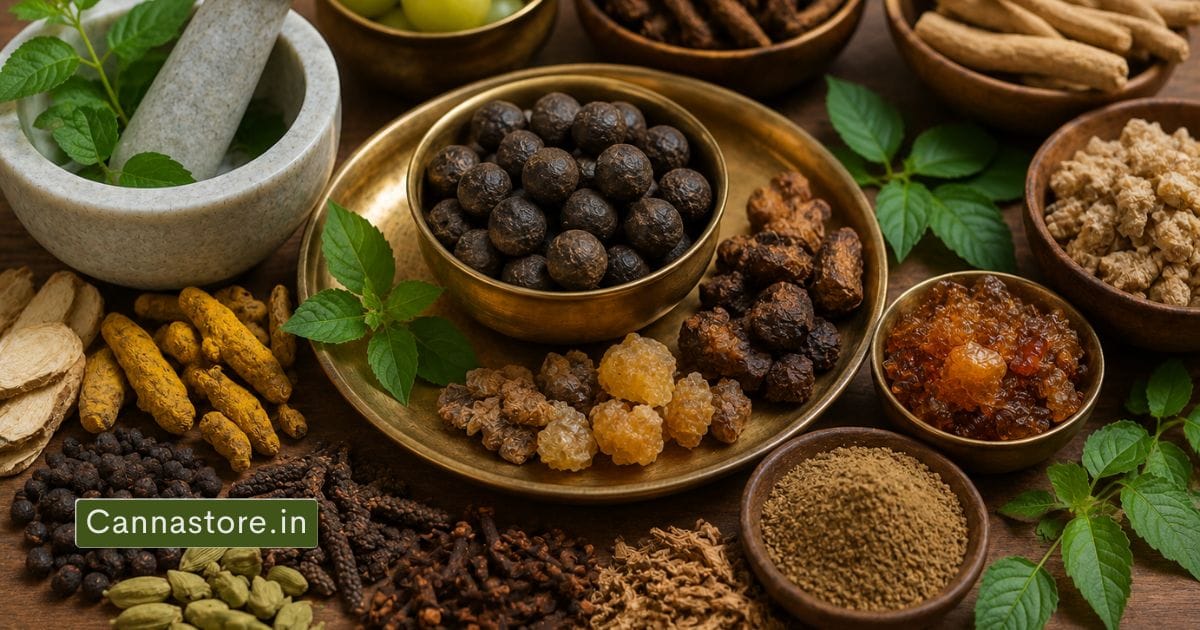
Mahayograj Guggulu contains numerous herbs and traditional Ayurvedic ingredients that work together synergistically. While the exact formulation can vary slightly among manufacturers, the following ingredients are commonly included.
| Ingredient | Traditional Ayurvedic Role |
| Guggulu | Supports joint health and Vata balance |
| Triphala | Digestive support and gentle cleansing |
| Chitrak | Supports metabolism and digestive fire |
| Pippali | Improves absorption and digestion |
| Ginger | Helps maintain healthy digestion |
| Black Pepper | Supports bioavailability of herbs |
| Vidanga | Traditionally used for detoxification support |
| Musta | Supports digestive comfort |
| Haritaki | Traditionally considered Vata balancing |
| Bibhitaki | Cleansing and tissue support |
| Amalaki | Antioxidant and rejuvenative support |
| Loha Bhasma* | Traditionally included in classical formulations |
| Abhrak Bhasma* | Traditionally used for overall vitality |
*Note: The exact composition of Mahayograj Guggulu may vary slightly depending on the manufacturer. Always refer to the product label and follow the guidance of a qualified Ayurvedic practitioner.
Top Benefits of Mahayograj Guggulu
Because of its comprehensive herbal formulation, Mahayograj Guggulu offers multiple traditional wellness benefits according to Ayurveda.
1. Supports Joint Comfort
One of the best-known Guggulu benefits is its traditional role in maintaining healthy joints. Ayurvedic practitioners commonly recommend Mahayograj Guggulu as supportive care for individuals experiencing occasional joint discomfort related to Vata imbalance.
2. Promotes Mobility
Healthy movement depends on properly functioning joints, muscles, ligaments, and nerves. Mahayograj Guggulu is traditionally used to help maintain flexibility and ease of movement, especially as part of a broader Ayurvedic regimen.
3. Supports Healthy Muscles
The formulation may help nourish muscle tissues while supporting normal muscle function. This is particularly important for individuals experiencing stiffness or weakness associated with aggravated Vata.
4. Supports Nerve Health
Since Vata governs nerve function, balancing this dosha is traditionally believed to contribute to healthy neurological function. Mahayograj Guggulu has long been valued in Ayurveda for supporting nerve nourishment and comfortable movement.
5. Helps Reduce Stiffness
Many people seek Mahayograj Guggulu benefits because of its traditional use for promoting comfortable movement. The warming herbs in the formulation may help reduce feelings of stiffness while supporting flexibility.
6. Supports Healthy Metabolism
Healthy metabolism begins with balanced digestion. Herbs such as Chitrak, Pippali, Ginger, and Black Pepper are traditionally used to strengthen digestive fire and support efficient nutrient utilization.
7. Provides Digestive Support
Digestive wellness remains central to Ayurvedic philosophy. By supporting Agni, Mahayograj Guggulu may indirectly contribute to healthier tissues and balanced doshas.
8. Supports a Healthy Inflammatory Response
Several herbs found in the formulation have been studied for their naturally occurring bioactive compounds and antioxidant properties. While research is ongoing, Ayurveda has traditionally valued these ingredients for supporting the body’s normal inflammatory processes as part of overall wellness.
9. Encourages Long-Term Wellness
Unlike products intended for short-term symptom relief, Mahayograj Guggulu is traditionally viewed as part of a long-term wellness strategy that combines herbal support with proper nutrition, daily routines, exercise, and stress management.
Common Uses of Mahayograj Guggulu
In Ayurveda, Mahayograj Guggulu is traditionally used as part of a personalized treatment plan for various Vata-dominant conditions. It is important to remember that Ayurvedic formulations are selected based on an individual’s constitution (Prakriti), current imbalance (Vikriti), digestive strength (Agni), and overall health. Therefore, Mahayograj Guggulu should not be viewed as a universal remedy or a replacement for professional medical care.
Below are some of the common situations in which Ayurvedic practitioners may recommend Mahayograj Guggulu as supportive care.
Osteoarthritis
Mahayograj Guggulu is traditionally used to support people experiencing age-related joint discomfort, stiffness, and reduced flexibility. According to Ayurveda, many of these symptoms are associated with aggravated Vata. When combined with appropriate diet, gentle exercise, and other Ayurvedic therapies, the formulation may help support comfortable movement and joint function.
Rheumatoid Arthritis (Supportive Ayurvedic Care)
Some Ayurvedic practitioners include Mahayograj Guggulu in supportive care plans for inflammatory joint conditions alongside other therapies. However, it should not be considered a cure, and individuals with rheumatoid arthritis should continue to follow their healthcare provider’s recommendations.
Cervical and Lumbar Spondylosis
Neck and lower back discomfort are often associated with Vata imbalance in Ayurveda. Mahayograj Guggulu is traditionally used to support spinal flexibility, healthy muscles, and comfortable movement while addressing the underlying dosha imbalance.
Sciatica
Sciatica-like symptoms, including radiating discomfort, tingling, or numbness, are commonly discussed under Vata disorders. Ayurvedic practitioners may recommend Mahayograj Guggulu alongside therapies such as Abhyanga (oil massage), Swedana (herbal steam), and personalized dietary guidance.
Frozen Shoulder
Limited shoulder mobility and stiffness may also be managed through Ayurvedic approaches that include Mahayograj Guggulu as supportive herbal therapy, particularly when Vata aggravation is considered a contributing factor.
Muscle Pain and Stiffness
Because Vata governs movement and muscle function, Mahayograj Guggulu is traditionally used to help support healthy muscles, improve flexibility, and promote comfortable movement.
Back Pain
Ayurvedic practitioners frequently include Mahayograj Guggulu in individualized wellness plans for occasional back discomfort associated with Vata imbalance, especially when accompanied by stiffness or restricted mobility.
Knee Pain
The formulation is also traditionally used to support knee joint health and mobility as part of a comprehensive Ayurvedic lifestyle that includes nourishing foods, appropriate exercise, and daily routines.
Joint Stiffness
Joint stiffness is one of the hallmark features of aggravated Vata. Mahayograj Guggulu is traditionally valued for supporting flexibility and maintaining healthy joint function.
General Vata Imbalance
Beyond specific conditions, Mahayograj Guggulu may be recommended for individuals showing broader Vata imbalance symptoms, such as dryness, muscle weakness, reduced mobility, cracking joints, nervous system imbalance, and digestive weakness.
Scientific Perspective
Mahayograj Guggulu has a long history of traditional use in Ayurveda, and several of its individual ingredients have been the subject of modern scientific research. While these studies provide encouraging insights, more high-quality human clinical trials are needed to confirm the effectiveness and safety of the complete formulation for specific medical conditions.
Guggulu
Purified Guggulu (Commiphora mukul) contains naturally occurring compounds known as guggulsterones. Research has explored their potential antioxidant and anti-inflammatory properties, although findings are mixed and further investigation is required.
Triphala
Triphala has been studied for its antioxidant activity, digestive support, and potential role in maintaining gastrointestinal health. It remains one of the most widely researched Ayurvedic herbal combinations.
Ginger
Bioactive substances found in ginger, such as gingerols and shogaols, have been investigated for their antioxidant and anti-inflammatory effects. These properties align with its traditional Ayurvedic use in supporting digestion and overall wellness.
Piperine (Black Pepper)
Piperine, the active constituent of black pepper, has been investigated for its ability to enhance the absorption of certain nutrients and herbal compounds. This is one reason black pepper is frequently included in classical Ayurvedic formulations.
Other Ayurvedic Herbs
Ingredients such as Chitrak, Vidanga, Musta, and Amalaki continue to get attention from scientists due to their potential biological activities. However, current evidence is not sufficient to make definitive clinical claims regarding Mahayograj Guggulu as a whole.
Overall, Ayurveda and modern science approach health from different perspectives. While traditional knowledge provides valuable historical context, evidence-based use and consultation with qualified healthcare professionals remain essential.
How to Take Mahayograj Guggulu
The appropriate use of Mahayograj Guggulu depends on factors such as age, overall health, digestive capacity, existing medical conditions, and the reason for taking it.
For safe use:
- Observe the dosing guidelines on the product label.
- Take the formulation only as directed by a qualified Ayurvedic practitioner or healthcare professional.
- Traditionally, it may be taken with warm water or another suitable carrier recommended by an Ayurvedic practitioner.
- Use it consistently only for the recommended duration.
- Avoid increasing the amount on your own, even if symptoms persist.
Because Mahayograj Guggulu dosage may vary between products and individuals, personalized guidance is always recommended.
Precautions
Although Mahayograj Guggulu is widely used in Ayurvedic practice, it may not be suitable for everyone.
Before using, speak with a licensed healthcare provider if you:
- Are pregnant or planning pregnancy.
- Are breastfeeding.
- Are considering use for a child.
- Have liver disease.
- Have kidney disease.
- Have autoimmune conditions.
- Are scheduled for surgery.
- Take prescription medications or herbal supplements.
- Have allergies to any of the ingredients.
Individuals with chronic medical conditions should never replace prescribed treatment with Ayurvedic medicine without discussing it with their healthcare provider.
Following these Mahayograj Guggulu precautions can help ensure safer and more appropriate use.
Possible Side Effects

When used appropriately under professional guidance, many people tolerate Mahayograj Guggulu well. However, as with any herbal formulation, side effects are possible.
Potential Mahayograj Guggulu side effects may include:
- Mild digestive discomfort
- Loose stools
- Heartburn
- Stomach irritation
- Sensitivity to certain herbal ingredients
- Rare allergic reactions
If any unexpected or severe symptoms develop, discontinue use and seek medical advice promptly.
Lifestyle Tips to Manage Vataj Rog
Ayurveda emphasizes that herbal formulations work best when combined with supportive daily habits. Lifestyle measures may play an important role in managing Vata imbalance.
Eat Warm, Nourishing Meals
Freshly cooked, warm foods are generally preferred over cold, dry, or heavily processed meals. Soups, stews, cooked vegetables, and whole grains are commonly recommended in Ayurvedic dietary guidance for Vata.
Practice Daily Abhyanga
Warm oil massage (Abhyanga) is traditionally used to nourish the skin, calm Vata, and promote relaxation. It is often incorporated into Ayurvedic wellness routines.
Stay Physically Active
Gentle yoga, walking, stretching, and mobility exercises may help maintain flexibility and joint comfort without placing excessive strain on the body.
Prioritize Quality Sleep
Regular sleep supports nervous system health and overall balance. Aim for a consistent bedtime and sufficient rest each night.
Manage Stress
Meditation, breathing exercises (Pranayama), mindfulness, and relaxation techniques may help reduce stress, which Ayurveda considers an important contributor to Vata aggravation.
Stay Hydrated
Adequate hydration supports digestion, circulation, and general wellness.
Maintain Regular Meal Times
Eating at consistent times each day may help support healthy digestion (Agni), an important concept in Ayurvedic health.
Keep the Body Warm
Cold weather and excessive exposure to cold are traditionally believed to aggravate Vata. Maintaining balance may be aided by wearing warm clothing and avoiding extended exposure to chilly conditions.
Businesses in the cannabis industry can benefit from tailored cannabis SEO services designed to improve search engine rankings and online visibility.
Conclusion
Mahayograj Guggulu has earned an important place in classical Ayurveda because of its traditional role in supporting Vata balance, healthy joints, muscles, digestion, and mobility. Rather than focusing on a single symptom, this respected formulation reflects Ayurveda’s holistic philosophy of addressing the underlying imbalance through herbal support, healthy digestion, proper nutrition, and balanced daily living.
As discussed throughout this guide, Why Mahayograj Guggulu Is Useful in Vataj Rog lies in its traditional ability to support musculoskeletal wellness, encourage healthy digestion (Agni), and complement lifestyle practices that help maintain Vata equilibrium. Its carefully selected combination of herbs and classical ingredients has been valued by Ayurvedic practitioners for generations.
Although traditional knowledge and emerging research provide valuable insights, Mahayograj Guggulu should be used responsibly. Individual needs vary, and the most appropriate treatment plan depends on factors such as age, constitution, medical history, and existing medications. For that reason, it is always advisable to consult a qualified Ayurvedic practitioner or healthcare professional before beginning any herbal supplement.
When combined with a balanced diet, regular exercise, adequate sleep, stress management, and other healthy lifestyle habits, Mahayograj Guggulu may serve as a valuable part of a comprehensive Ayurvedic wellness approach for individuals seeking support for Vata-related concerns.
FAQs
Is Mahayograj Guggulu good for Vataj Rog?
According to Ayurveda, Mahayograj Guggulu is a classical formulation traditionally used to support Vata balance, healthy joints, muscles, and mobility. It should be used under the guidance of a qualified practitioner.
Can Mahayograj Guggulu help with joint pain?
It is traditionally used as supportive Ayurvedic care for maintaining joint comfort and mobility. It shouldn’t be regarded as a replacement for expert medical care.
How long does it take to show results?
The timeframe varies depending on the individual’s health, lifestyle, consistency of use, and the treatment plan recommended by an Ayurvedic practitioner.
Can it be taken daily?
Some individuals may be advised to take it daily for a specific period, but this should always follow product instructions or professional guidance.
Are there any side effects?
Some people may experience mild digestive discomfort or other side effects. Following recommended usage instructions helps reduce the likelihood of adverse effects.
Who should avoid Mahayograj Guggulu?
Pregnant or breastfeeding individuals, children, people with significant liver or kidney disease, those with autoimmune conditions, or anyone using prescription drugs ought to speak with a doctor before using them.
Can it be taken with other Ayurvedic medicines?
In many cases, Ayurvedic practitioners combine Mahayograj Guggulu with other formulations. However, combinations should be determined by a qualified practitioner based on individual needs.
Is it suitable for elderly people?
It is commonly used in Ayurvedic practice for older adults experiencing Vata-related concerns, but suitability depends on overall health and should be assessed by a healthcare professional.